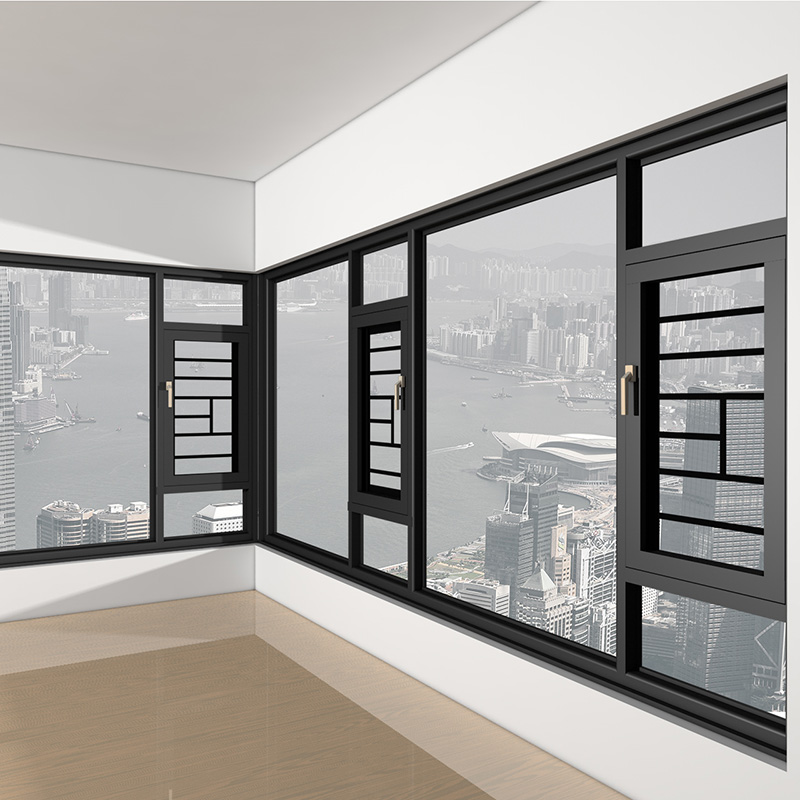
Thermal break aluminum doors and windows are mainstream home decoration solutions featuring superior thermal insulation, sound insulation, air tightness and durability. However, widespread quality disparities in the market compromise window stability, comfort and safety. To avoid purchasing defects and select cost-effective, high-quality products, follow the standardized purchasing guidelines below.
1. Select High-Quality Profiles
Aluminum profiles serve as the structural foundation of windows and doors, directly determining overall stability and service life. Three key criteria must be strictly inspected during selection:
Profile material: Adopt standard 6063-T5/T6 virgin aluminum alloy profiles. This premium material delivers high purity, excellent toughness and strong oxidation resistance, effectively resisting deformation, fading and cracking. Avoid recycled or impure aluminum profiles, which feature poor structural stability and pose long-term safety risks.
Profile wall thickness: Comply with the national standard minimum wall thickness of 1.8mm for household windows and doors. For high-rise buildings, street-facing units and large floor-to-ceiling windows, select profiles with a thickness of 2.0mm or above to enhance wind pressure resistance. Reject non-standard thin profiles of 1.4mm or 1.6mm, as they are prone to structural deformation and air leakage.
Thermal insulation strips: Choose high-performance PA66 nylon insulation strips with reliable thermal insulation, high temperature resistance and aging resistance. Refuse low-cost PVC strips, which soften under high temperatures and crack in low-temperature environments, causing insulation failure and profile deformation. Integral insulation strips provide better air tightness and structural stability than spliced types.
2. Choose Suitable Insulating Glass
Insulating glass dominates the thermal and acoustic insulation performance of windows and doors. All tempered insulating glass shall be selected according to the following standardized criteria:
3C-certified full tempered glass: Full tempered glass with official 3C certification is a mandatory safety standard for residential use. It breaks into blunt granular fragments to reduce injury risks, which is particularly critical for high-rise residences. Always verify the clear and official 3C stamp on glass edges.
Hollow insulation structure: Double-layer insulating glass with a 12A–18A hollow layer meets the basic needs of ordinary households. For noise-prone areas near roads or viaducts, apply three-layer double-insulated glass with a hollow layer above 20A for enhanced sound insulation. Filling the hollow layer with argon gas effectively prevents glass fogging, condensation and oxidation.
Regional customized configuration: Low-E glass is suitable for hot southern regions to block ultraviolet rays and external heat radiation. Warm-edge insulating glass is ideal for cold northern regions to eliminate edge frosting and cold bridge effects. Avoid unqualified glass with inferior desiccants and rough sealant, which easily accumulates internal water and causes persistent fogging.
3. Adopt Brand Hardware Accessories
Hardware accessories including handles, hinges, lock points and pulleys determine the opening fluency, sealing performance and overall service life of windows and doors. Inferior hardware inevitably causes jamming, loosening and air leakage after short-term use.
Select matched branded stainless steel or thickened zinc alloy hardware with high load-bearing capacity and excellent rust and corrosion resistance. Casement windows adopt multi-point linkage locking systems to improve tightness and anti-theft performance. Sliding windows are equipped with silent stainless steel pulleys for stable and smooth operation. Eliminate low-grade iron and plastic hardware that deforms and fractures easily. Qualified branded hardware normally provides a minimum 5-year warranty.
4. Strictly Check Sealing Performance
Most common window defects such as air leakage and water seepage stem from substandard sealing materials and construction techniques, rather than flawed profiles or glass.
High-quality windows adopt integrated EPDM foam sealing strips, which feature outstanding elasticity, weather resistance and aging resistance to maintain long-term stable sealing performance. A three-channel sealing structure delivers superior airtight and waterproof effects compared with single or double-channel designs. Inferior ordinary rubber strips harden, shrink and age rapidly, resulting in persistent gap leakage.
Professional construction applies neutral weather-resistant structural glue with smooth, full and seamless glue lines. Acidic glue is prohibited as it corrodes aluminum profiles and causes mildew. Fill gaps between window frames and walls fully with foaming glue and apply exterior waterproof sealant to completely block water seepage paths.
5. Examine Processing and Manufacturing Technology
Precise manufacturing and assembly processes ensure tight fitting of all components and guarantee overall window flatness, stability and tightness.
Qualified products adopt 45° precise angle assembly and corner glue injection technology, ensuring uniform splicing gaps and no structural deformation. Low-quality products have uneven splicing gaps without reinforcement treatment, which gradually causes loosening, dust ingress and air leakage.
Premium profiles adopt electrostatic powder spraying or fluorocarbon spraying technology, providing smooth, uniform and scratch-resistant surfaces that resist fading and peeling under long-term outdoor exposure. Qualified windows open and close smoothly without jitter, abnormal noise or fitting gaps after full closure.
6. Confirm Customization Details and After-Sales Service
Doors and windows are customized products that require reasonable structural design and reliable after-sales support. For high-rise buildings, select inward-opening and inward-tilting windows for safety. For low-rise buildings, choose outward-opening windows for enhanced ventilation. Install reinforcing beams for large floor-to-ceiling windows to strengthen structural stability. Equip high-transparency diamond mesh screens for integrated anti-mosquito and anti-theft functions.
Avoid misleading low-price marketing traps. Confirm an all-inclusive quotation covering profiles, glass, hardware, screens, auxiliary materials and installation services. Clearly specify all core parameters including profile wall thickness, insulation strip material, glass specifications and hardware brands in official contracts to prevent quality cutting corners.
Formal branded products provide 3–10 years of warranty for aluminum profiles, over 5 years of warranty for hardware accessories and lifelong paid maintenance services. Small unregulated workshops offer no standardized after-sales support and fail to resolve subsequent problems such as water leakage, deformation and accessory damage.
7. Avoid Common Purchasing Misconceptions
Priority to price over configuration: Excessively low-priced products always reduce core configurations, leading to frequent failures and higher long-term maintenance costs.
Blind pursuit of ultra-thick profiles: Excessively thick profiles bring no practical benefit for low-rise small windows and only cause unnecessary budget waste.
Neglect of installation quality: Window quality depends 30% on products and 70% on installation. Unprofessional installation causes leakage, noise and looseness even with high-quality window products.


 2026-03-10
 Posted by: Huiyin